Field Asset Studies · Reliability
Reliability & Maintainability Studies
Identify Practical Changes That Make Analytical Systems Easier to Support
AES provides reliability and maintainability study capabilities for analytical and sampling systems. The work reviews recurring concerns, maintenance demands, installed arrangements, and component support needs to help facilities prioritize their next actions.
History
Service records
Tasks
Maintenance and access
Support
Components and standards
Prioritize
Improvement plan
What It Is
What Are Reliability and Maintainability?
Reliability concerns a system's ability to perform its required function under stated conditions over time.
These can matter alongside the condition of the equipment itself:
Capabilities
Reliability and Maintainability Study Capabilities
Four reviews, from service history to a prioritized improvement plan.

Service-History Review
Review available work orders, recurring symptoms, replaced components, and reported interruptions. Consistent records help distinguish repeated failures from isolated events or changes in operating conditions.

Maintenance-Task and Access Review
Consider how technicians inspect, isolate, calibrate, clean, or replace specified components. Restricted access and unclear identification can create maintenance difficulties even when the basic equipment arrangement is functional.
Component Support and Standardization Review
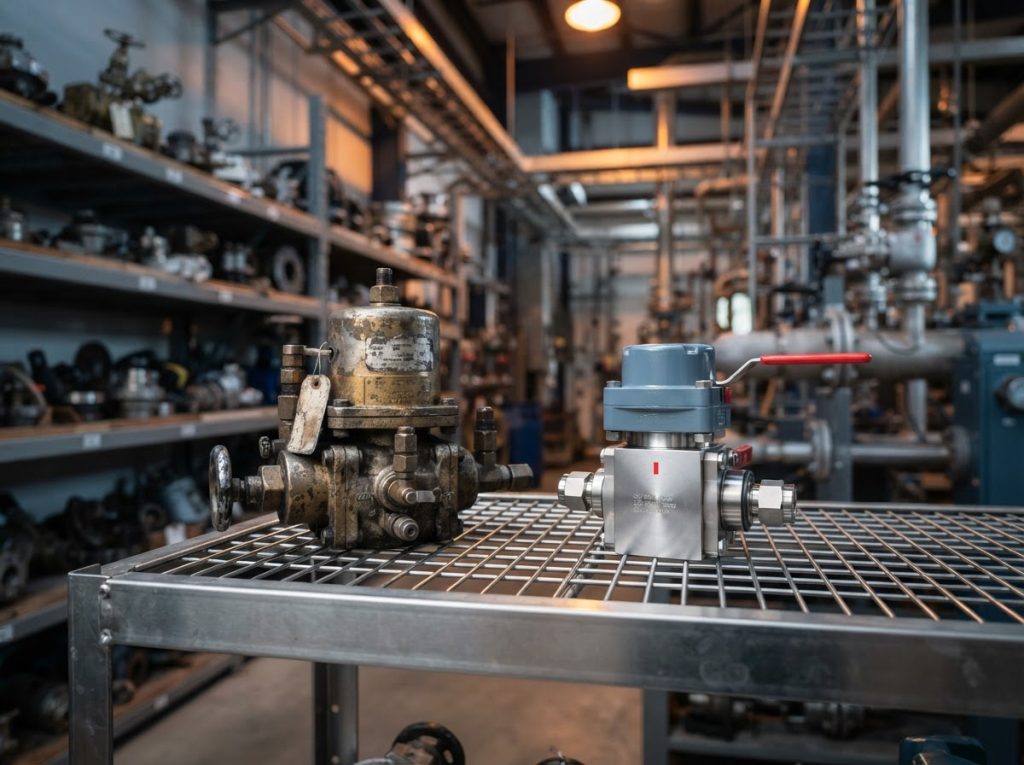
Identify concerns related to spare parts, obsolete equipment, inconsistent components, or incomplete documentation. Standardization opportunities should be assessed against application requirements rather than pursued as an end in themselves.

Improvement Prioritization
Develop agreed recommendations with a stated basis, such as recurrence, operational impact, maintainability, or implementation constraints. The output can distinguish near-term service actions from modifications requiring design or outage planning.

A Manageable Plan
From Findings to a Manageable Work Plan
Provide maintenance records, equipment lists, operating context, and the facility's priorities. Where records are incomplete, the study can identify a more consistent way to capture future observations without inventing a statistical baseline.
Recommendations may lead to preventive maintenance changes, spare-parts planning, revised access arrangements, or a sample-system retrofit. Expected benefits should be validated against actual operating results after implementation.
Recommendations may lead to:
Why AES
Why Choose AES for Reliability Studies?
AES connects maintenance observations with the practical details of analytical integration and field work. This helps frame improvements around implementable scopes, not only descriptions of what is wrong.
Contact AES →AES connects

Will the study calculate a guaranteed uptime improvement?
No. Quantified projections require suitable data and a defined method, and actual results depend on implementation and operating conditions. The study should distinguish measured history from estimated benefits.
Can a study begin without a complete maintenance database?
Yes. Interviews, available work records, and field observations can establish a starting point. Data limitations should be recorded so recommendations are interpreted at the appropriate level of confidence.
Is this a formal safety integrity or risk assessment?
Not unless separately contracted with the required methods and qualifications. A practical reliability and maintainability review does not automatically establish functional safety or process-risk compliance.
Discuss Your Analytical System Reliability Priorities
Tell AES which problems recur and what makes the systems difficult to maintain. We can help define a study focused on practical improvement decisions.
Discuss a Reliability & Maintainability Study →