Industries · Life Science
Custom Fabrication for Life Science Applications
Supporting Assemblies Built Around Controlled Manufacturing Requirements
Life science projects can require custom supports, cabinets, panels, and integrated assemblies for pharmaceutical, biotechnology, and other controlled manufacturing environments. AES can review fabrication and analytical-support requirements against the customer's approved drawings and specifications.
Supports
Panels and racks
Cabinets
Stainless enclosures
Assemblies
Instrument and utility
Documentation
Quality responsibilities
Requirements
Life Science Fabrication Requirements
Controlled environments may require specific materials, finishes, cleaning provisions, identification, and records.
Controlled environments may require:
Project Areas
Project Areas to Discuss With AES
Three fabrication areas for controlled manufacturing environments.

Custom Supports, Panels, and Racks
Fabricate specified structures to organize instruments, utility components, and supporting equipment. Layout requirements can address access, cleaning clearance, connection routing, and maintenance tasks.
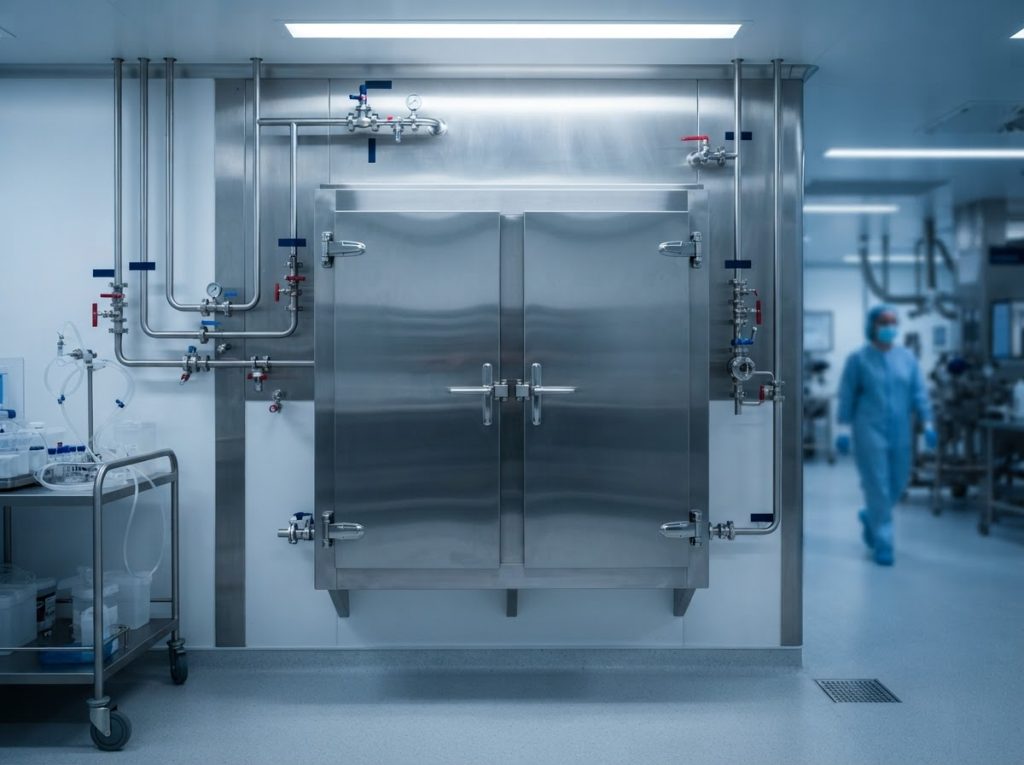
Stainless Steel Cabinets and Enclosures
Define housings around equipment dimensions, material specifications, finish, access, and the installation environment. Required sealing, cleaning, or environmental ratings must be included in the design basis.
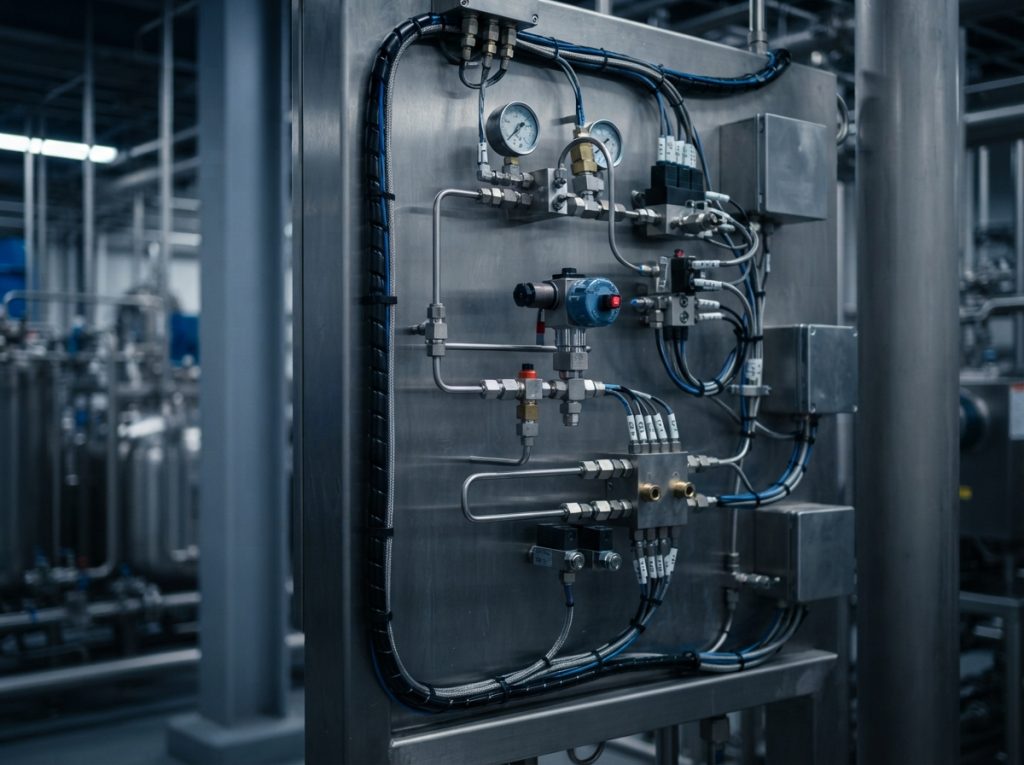
Specified Instrument and Utility Assemblies
Review the components, tubing, wiring, and connections required for the proposed package. Identify which parts of the scope require specialist manufacturing controls or additional qualification before fabrication begins.

Documentation & Quality
Define Documentation and Quality Responsibilities Early
Provide drawings, material requirements, inspection criteria, change-control expectations, and the required turnover documents. If material traceability, weld records, surface-finish verification, cleaning records, or qualification protocols are required, confirm their scope and responsible provider in advance.
Andon's broader market offering includes life sciences. AES project acceptance and delivery responsibilities remain specific to the proposed fabrication or support assignment.
Provide:
Why AES
Why Start With AES?
AES's requirements-led fabrication framework can help organize a defined assembly scope around the customer's equipment and installation needs. Clear boundaries allow the project team to identify which work can be fabricated to specification and which requires additional specialized qualification or validation support.
Assembly scope
Customer equipment
Installation needs

Does AES validate pharmaceutical manufacturing processes?
This page does not claim process validation services. Installation, operational, or performance qualification responsibilities must be separately defined and assigned if required by the project.
Are all stainless steel assemblies sanitary or hygienic?
No. Suitability depends on design, material, finish, joining, cleanability, and the intended service. Stainless steel construction alone does not establish a sanitary standard.
Can AES work from customer-approved drawings?
Yes, as the basis for scope review. Provide the applicable quality requirements and documentation expectations alongside the drawings so the fabrication assignment can be evaluated correctly.
Discuss Your Life Science Fabrication Requirements
Share the intended use, approved specifications, and quality-documentation requirements with AES to define the proposed assembly scope.
Discuss a Life Science Fabrication Project →