Industries · Power & Utilities
Analytical & Sampling Systems for Power & Utilities
Define the Sample Conditions and Equipment Interfaces Behind the Measurement
Power and utility applications can require analytical equipment for water chemistry, gas analysis, and emissions-related measurement. AES can review projects involving sample conditioning, analytical packages, protective enclosures, fabrication, and field installation interfaces.
Conditioning
Analytical packages
Fabrication
Cabinets and panels
Field
Installation and maintenance
Compliance
Separate from integration
Requirements
Power and Utility Analytical Requirements
Analytical equipment must receive a sample within its specified operating limits.
Applications can include:
Services
Services to Discuss for Power and Utility Projects
Three ways AES supports power and utility measurement work.
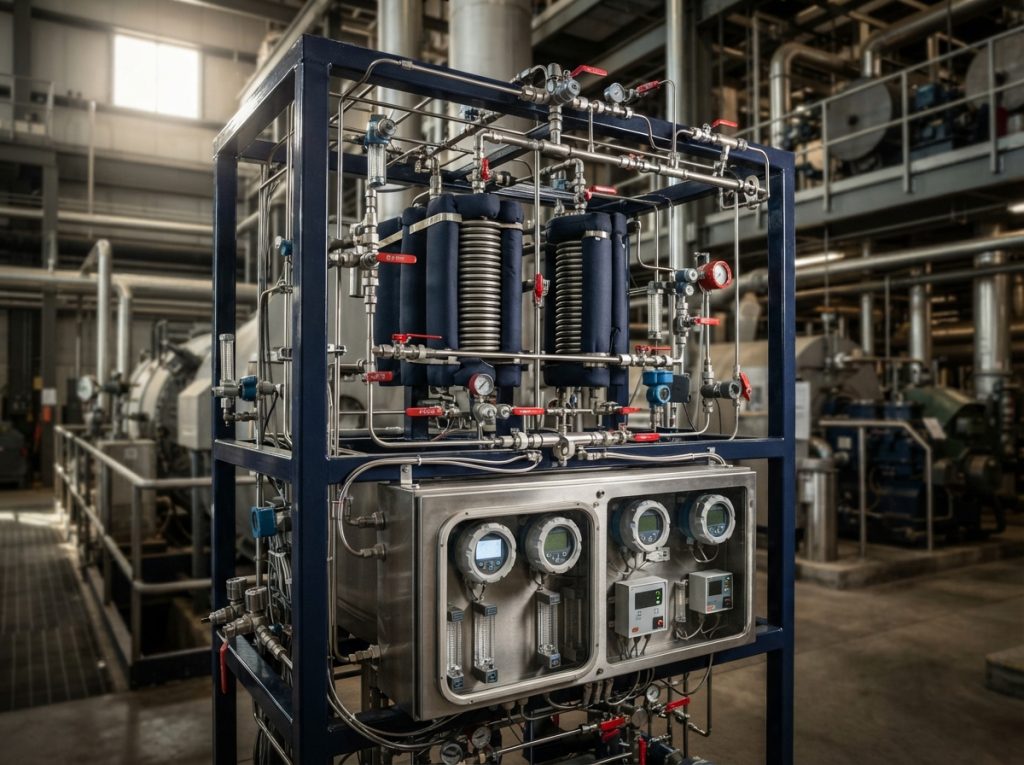
Sample Conditioning and Analytical Packages
Integrate specified conditioning equipment and analyzers into an organized assembly. Define operating conditions, component ratings, sample return or disposal requirements, and the measurement objective.
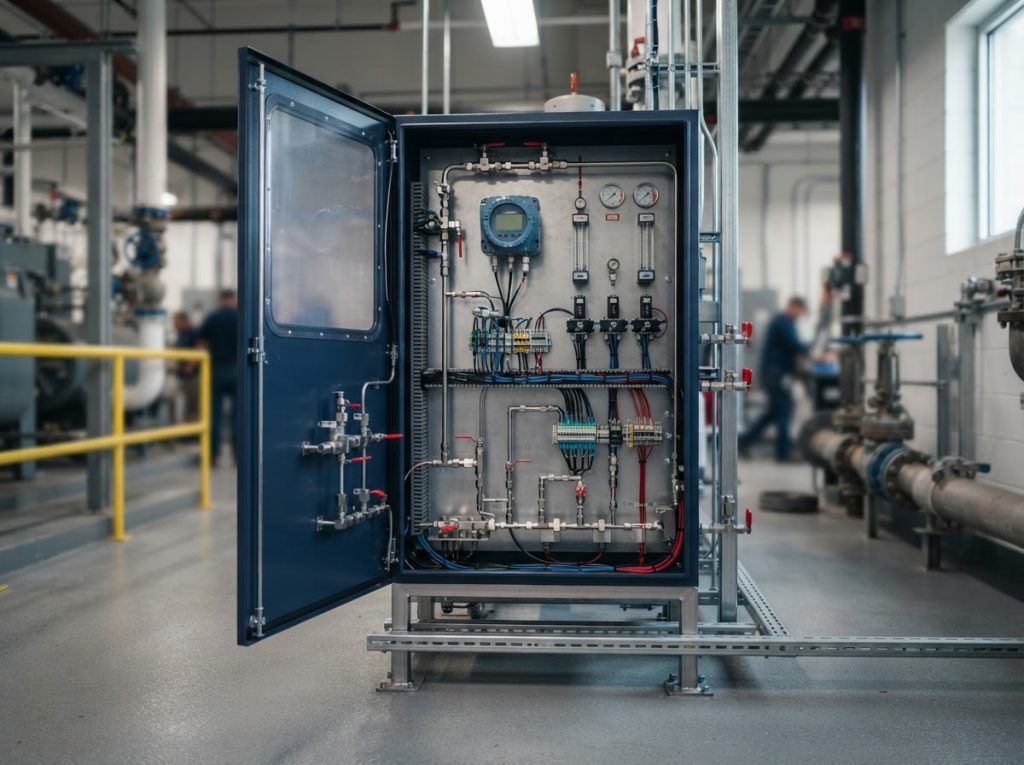
Cabinets, Panels, and Supporting Fabrication
Fabricate mounting structures and housings around the specified equipment and utility connections. Environmental protection and service access should reflect the installation location.

Installation, Assessment, and Maintenance Planning
Review existing conditions and define the tubing, electrical, utility, and commissioning interfaces required for the project. Planned maintenance can address the supporting equipment as well as the instrument.
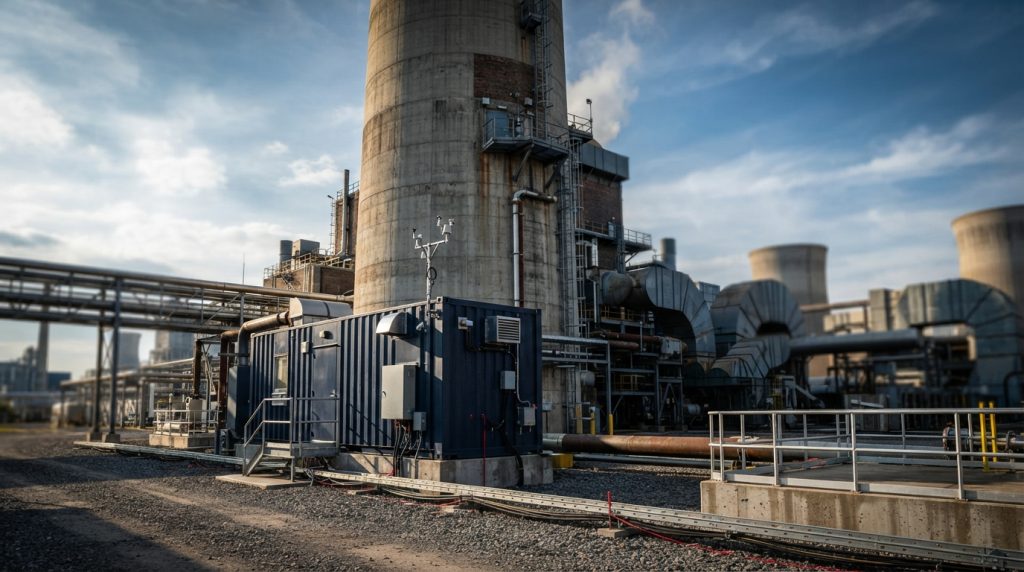
Integration vs Certification
Separate Equipment Integration From Compliance Certification
For emissions-related projects, identify the applicable monitoring method, analyzer requirements, test obligations, and reporting responsibilities. This page does not claim that AES certifies a continuous emissions monitoring system or performs regulatory acceptance tests.
Provide equipment data, process conditions, location, applicable site standards, and planned outage requirements so the scope can be reviewed with the responsible technical parties.
For emissions-related projects, identify:
Why AES
Why Start With AES?
AES brings sample handling, fabrication, and field-interface questions into the same requirements discussion. This helps define the work around the measurement chain and the practical needs of installing and maintaining the package.
Contact AES →AES connects

Can a sample cooler be part of the package?
Yes, when specified for the application and included in the scope. Cooling requirements, materials, pressure limits, utility conditions, and the analyzer's inlet needs must be reviewed together.
Does AES provide regulatory emissions certification?
No such service is implied here. Any certification, relative accuracy testing, compliance reporting, or specialist verification must be explicitly confirmed and assigned within the project.
Can an existing utility analyzer package be assessed?
Yes, for a defined review scope. Provide drawings, equipment requirements, operating data, and service history so the assessment can distinguish known conditions from items requiring further testing.
Discuss a Power or Utility Analytical Application
Share the measurement duty and existing or proposed equipment with AES to define the conditioning, fabrication, and field-support requirements.
Discuss a Power & Utilities Application →