AES · Case Studies
Case Studies & Technical Insights
Understand the Field Problems Behind Better Project Decisions
Analytical and sampling projects often begin with a practical concern: leaking components, difficult access, incomplete documentation, or equipment that no longer fits the operating task. Examining the problem clearly is the first step toward defining useful service or improvement work.
Condition
Equipment and components
Design
Application fit
Installation
Interfaces
Training
Operator support
Challenge Profiles
Sampling-System Challenge Profiles
Two published examples from the U.S. Gulf Coast, summarized without implying unreported results.
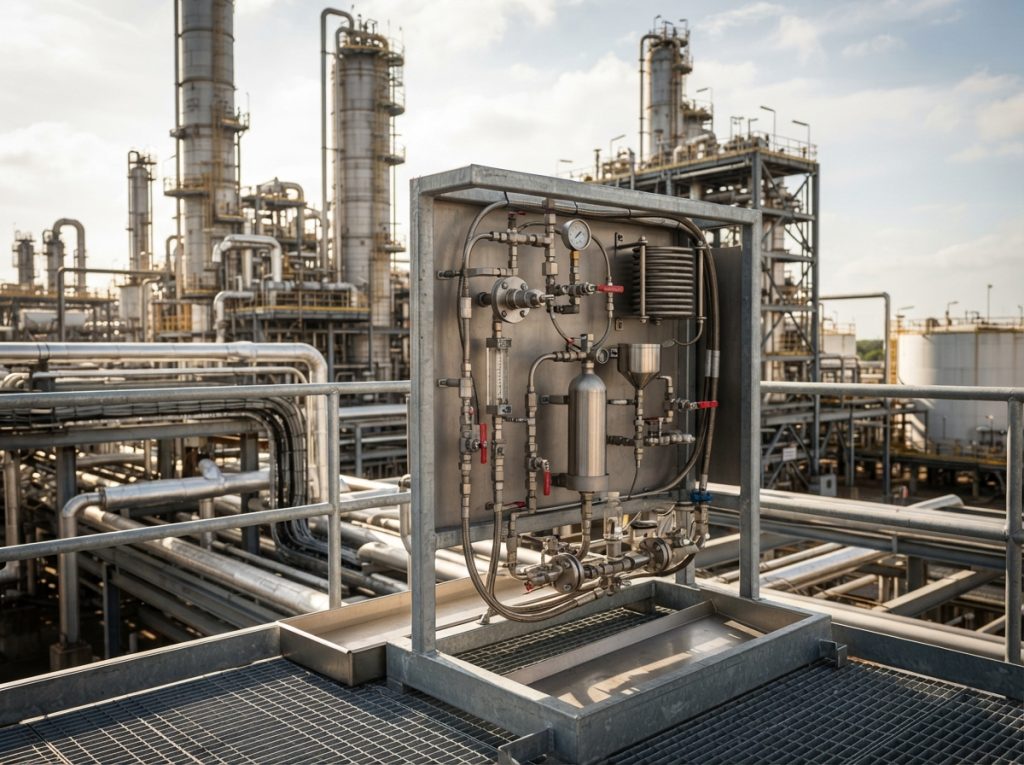
U.S. Gulf Coast Chemical Manufacturer
AES's published example describes product leaks, component failures, and insufficient training associated with engineered grab sampling stations. These concerns show why station condition and operator support belong in the same service discussion.
For a facility facing similar symptoms, useful starting information includes the station inventory, fluid service, repair history, and the approved sampling procedure. Those records can support a defined inspection, repair, or reliability-program scope.
Related Service: Annual Sampling System Reliability Programs →

U.S. Gulf Coast Refinery
The published refinery example identifies failed or leaking components, incomplete or improper installation, application-design concerns, and insufficient training. The issues span more than one component and therefore call for a system-level review of the sampling task.
A practical review can distinguish immediate repair needs from questions about the station arrangement, retained equipment, installation interfaces, and operator requirements. The appropriate next step depends on the evidence available for the actual station.
Technical Topics
Technical Topics for Planning Your Next Project
Three questions worth answering before the next repair, build or retrofit.
01
Is the Analyzer—or the Sample Path—the Starting Point?
Is the Analyzer—or the Sample Path—the Starting Point?

Review how extraction, transport, conditioning, utilities, and the analyzer connect before assuming the instrument is the only cause of an observed measurement concern.
02
What Should Be Defined Before Fabrication Begins?
What Should Be Defined Before Fabrication Begins?

Approved drawings, component requirements, field interfaces, inspection criteria, and delivery expectations help establish a more complete build scope.
03
When Does a Repair Become a Retrofit Project?
When Does a Repair Become a Retrofit Project?
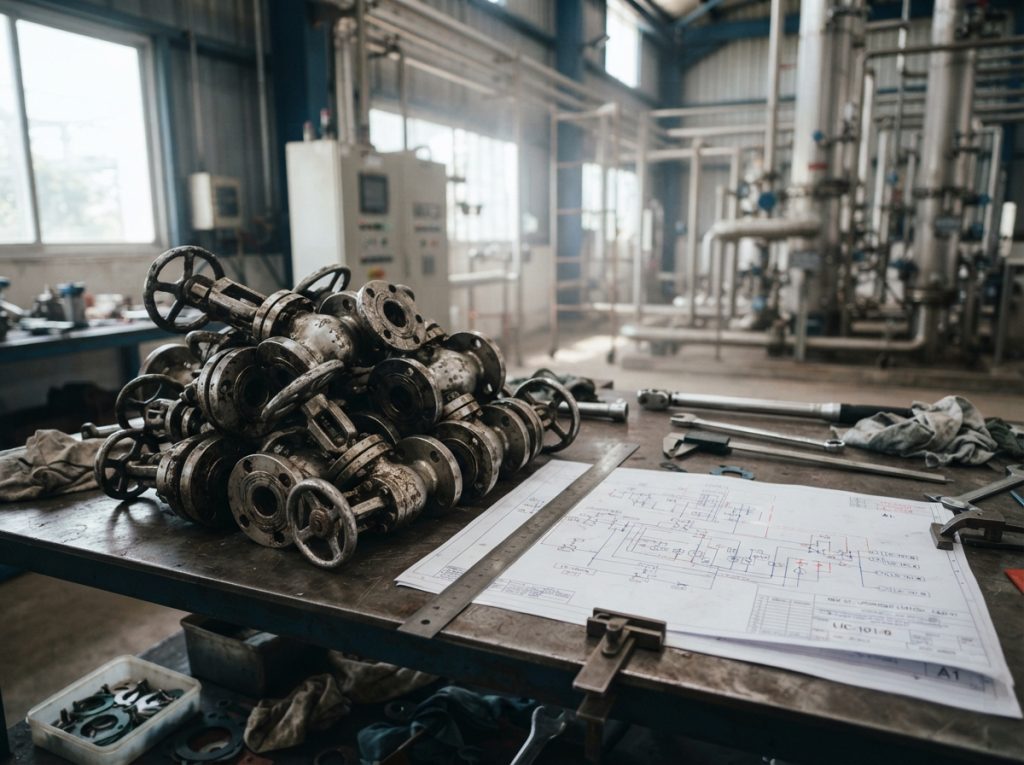
Recurring service needs or changed requirements may justify a review of the station arrangement rather than another identical component replacement.
Are these examples quantified success stories?
No. The available published records describe sampling-system concerns but do not provide verified solution details or measured outcomes. No performance improvement or customer endorsement is implied.
Can we discuss a similar issue at our facility?
Yes. Share your equipment and operating information with AES. A similar symptom is a starting point for investigation, not proof that the cause or remedy will be the same.
Bring Us the Problem You Need to Understand
Describe the equipment, symptoms, and decision you need to make. AES can help define the information and service scope required for the next step.
Discuss an Existing-System Concern →